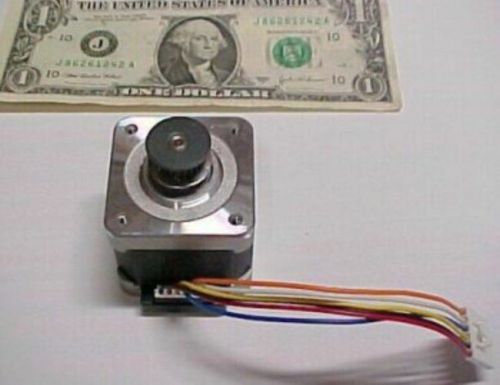
2005UD6G.68 New Sanyo Denki, Ball Bearing, 2 Phase 42MM Square (1.65 inch sq.), 5.3 OHM, 1.8 Degree Step (200 Steps per Revolution), Stepper / Stepping Motors, Part Number 103H5208-10U41. Each bid quantity is for One (1) Motor. You may bid / buy any number, up to the total quantity available above.
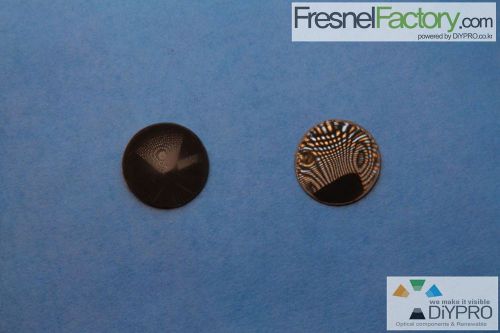
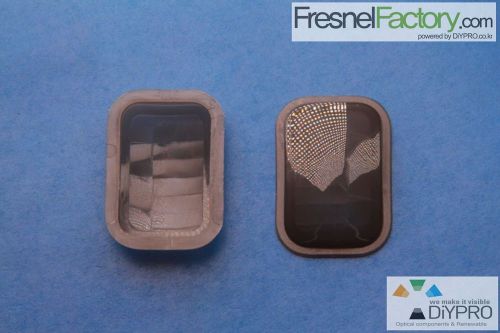
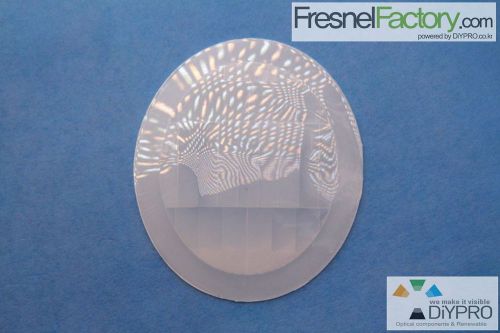
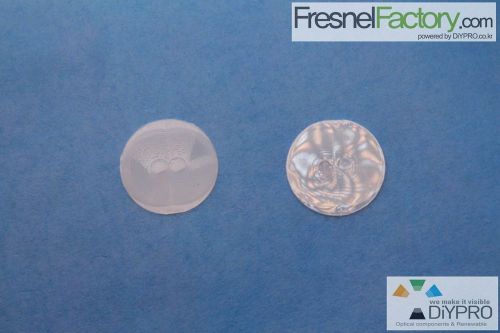
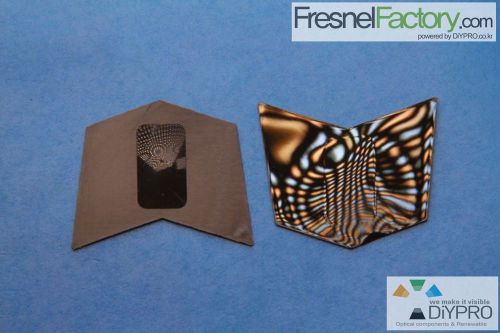
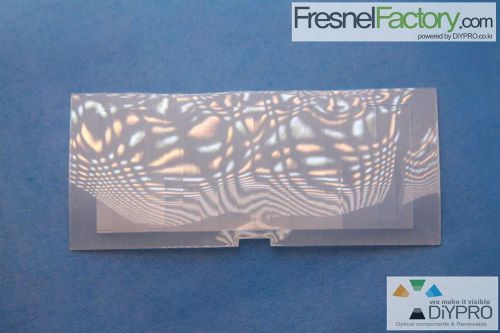
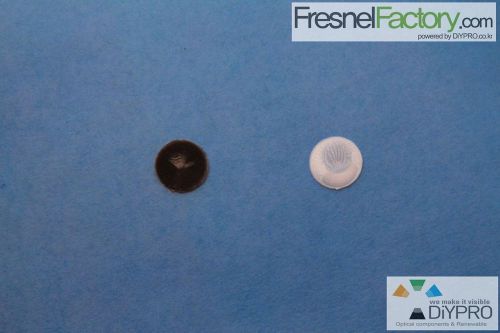
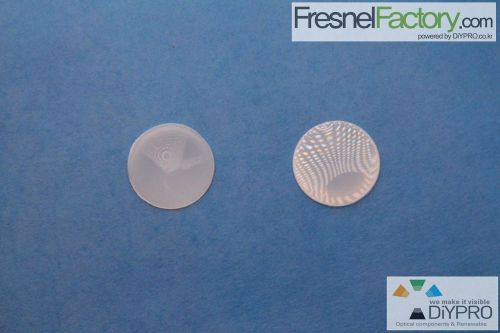
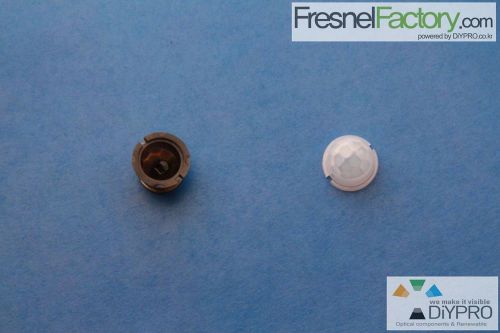
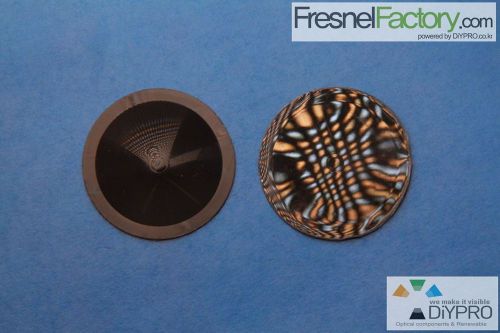
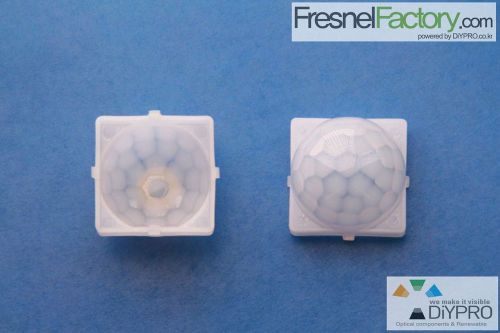
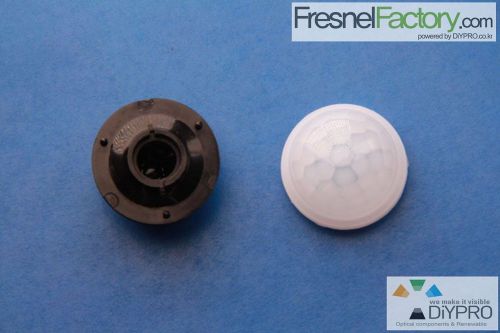
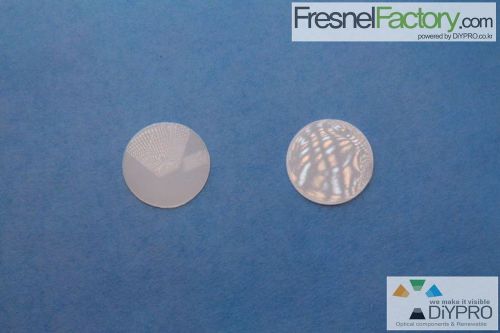
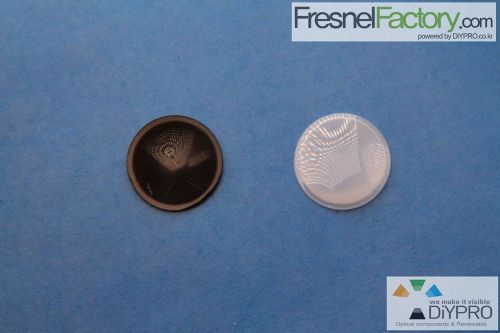
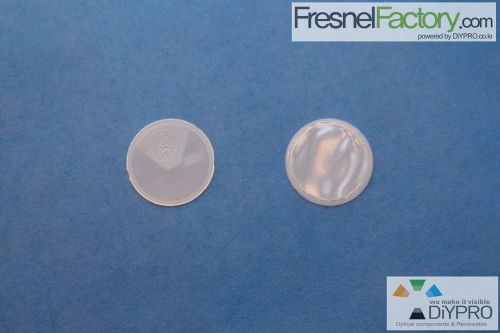
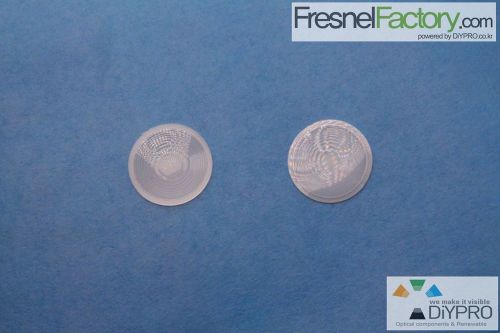
Infrared Fresnel lens is primarily used to transmit infrared light for motion detector use. Passive Infrared PIR Fresnel lenses are molded in a flexible, 0.457mm thick, High Density PE. Advantages of this product are: least absorption loss in the 8-14 micron region, extremely thin with consistent thickness across the lens, large apertures and minimal thermal expansion.
Infrared Fresnel lens is primarily used to transmit infrared light for motion detector use. Passive Infrared PIR Fresnel lenses are molded in a flexible, 0.457mm thick, High Density PE. Advantages of this product are: least absorption loss in the 8-14 micron region, extremely thin with consistent thickness across the lens, large apertures and minimal thermal expansion.
Infrared Fresnel lens is primarily used to transmit infrared light for motion detector use. Passive Infrared PIR Fresnel lenses are molded in a flexible, 0.457mm thick, High Density PE. Advantages of this product are: least absorption loss in the 8-14 micron region, extremely thin with consistent thickness across the lens, large apertures and minimal thermal expansion.
Infrared Fresnel lens is primarily used to transmit infrared light for motion detector use. Passive Infrared PIR Fresnel lenses are molded in a flexible, 0.457mm thick, High Density PE. Advantages of this product are: least absorption loss in the 8-14 micron region, extremely thin with consistent thickness across the lens, large apertures and minimal thermal expansion.
Infrared Fresnel lens is primarily used to transmit infrared light for motion detector use. Passive Infrared PIR Fresnel lenses are molded in a flexible, 0.457mm thick, High Density PE. Advantages of this product are: least absorption loss in the 8-14 micron region, extremely thin with consistent thickness across the lens, large apertures and minimal thermal expansion.
Infrared Fresnel lens is primarily used to transmit infrared light for motion detector use. Passive Infrared PIR Fresnel lenses are molded in a flexible, 0.457mm thick, High Density PE. Advantages of this product are: least absorption loss in the 8-14 micron region, extremely thin with consistent thickness across the lens, large apertures and minimal thermal expansion.
Infrared Fresnel lens is primarily used to transmit infrared light for motion detector use. Passive Infrared PIR Fresnel lenses are molded in a flexible, 0.457mm thick, High Density PE. Advantages of this product are: least absorption loss in the 8-14 micron region, extremely thin with consistent thickness across the lens, large apertures and minimal thermal expansion.
Infrared Fresnel lens is primarily used to transmit infrared light for motion detector use. Passive Infrared PIR Fresnel lenses are molded in a flexible, 0.457mm thick, High Density PE. Advantages of this product are: least absorption loss in the 8-14 micron region, extremely thin with consistent thickness across the lens, large apertures and minimal thermal expansion.
Infrared Fresnel lens is primarily used to transmit infrared light for motion detector use. Passive Infrared PIR Fresnel lenses are molded in a flexible, 0.457mm thick, High Density PE. Advantages of this product are: least absorption loss in the 8-14 micron region, extremely thin with consistent thickness across the lens, large apertures and minimal thermal expansion.
Infrared Fresnel lens is primarily used to transmit infrared light for motion detector use. Passive Infrared PIR Fresnel lenses are molded in a flexible, 0.457mm thick, High Density PE. Advantages of this product are: least absorption loss in the 8-14 micron region, extremely thin with consistent thickness across the lens, large apertures and minimal thermal expansion.
Infrared Fresnel lens is primarily used to transmit infrared light for motion detector use. Passive Infrared PIR Fresnel lenses are molded in a flexible, 0.457mm thick, High Density PE. Advantages of this product are: least absorption loss in the 8-14 micron region, extremely thin with consistent thickness across the lens, large apertures and minimal thermal expansion.
Infrared Fresnel lens is primarily used to transmit infrared light for motion detector use. Passive Infrared PIR Fresnel lenses are molded in a flexible, 0.457mm thick, High Density PE. Advantages of this product are: least absorption loss in the 8-14 micron region, extremely thin with consistent thickness across the lens, large apertures and minimal thermal expansion.
Infrared Fresnel lens is primarily used to transmit infrared light for motion detector use. Passive Infrared PIR Fresnel lenses are molded in a flexible, 0.457mm thick, High Density PE. Advantages of this product are: least absorption loss in the 8-14 micron region, extremely thin with consistent thickness across the lens, large apertures and minimal thermal expansion.
Infrared Fresnel lens is primarily used to transmit infrared light for motion detector use. Passive Infrared PIR Fresnel lenses are molded in a flexible, 0.457mm thick, High Density PE. Advantages of this product are: least absorption loss in the 8-14 micron region, extremely thin with consistent thickness across the lens, large apertures and minimal thermal expansion.
Infrared Fresnel lens is primarily used to transmit infrared light for motion detector use. Passive Infrared PIR Fresnel lenses are molded in a flexible, 0.457mm thick, High Density PE. Advantages of this product are: least absorption loss in the 8-14 micron region, extremely thin with consistent thickness across the lens, large apertures and minimal thermal expansion.
Infrared Fresnel lens is primarily used to transmit infrared light for motion detector use. Passive Infrared PIR Fresnel lenses are molded in a flexible, 0.457mm thick, High Density PE. Advantages of this product are: least absorption loss in the 8-14 micron region, extremely thin with consistent thickness across the lens, large apertures and minimal thermal expansion.
By clicking "Accept All Cookies", you agree to the storing of cookies on your device to enhance site navigation, analyze site usage, and assist in our marketing efforts.